Hotel Websites & Direct-Booking Marketing in Fayetteville
We build fast, direct-booking websites for Fayetteville's independent inns and small hotels so New River Gorge visitors book with you directly instead of handing 15-25% of the rate to an OTA.
The Fayetteville Hotel Market: An Honest Assessment
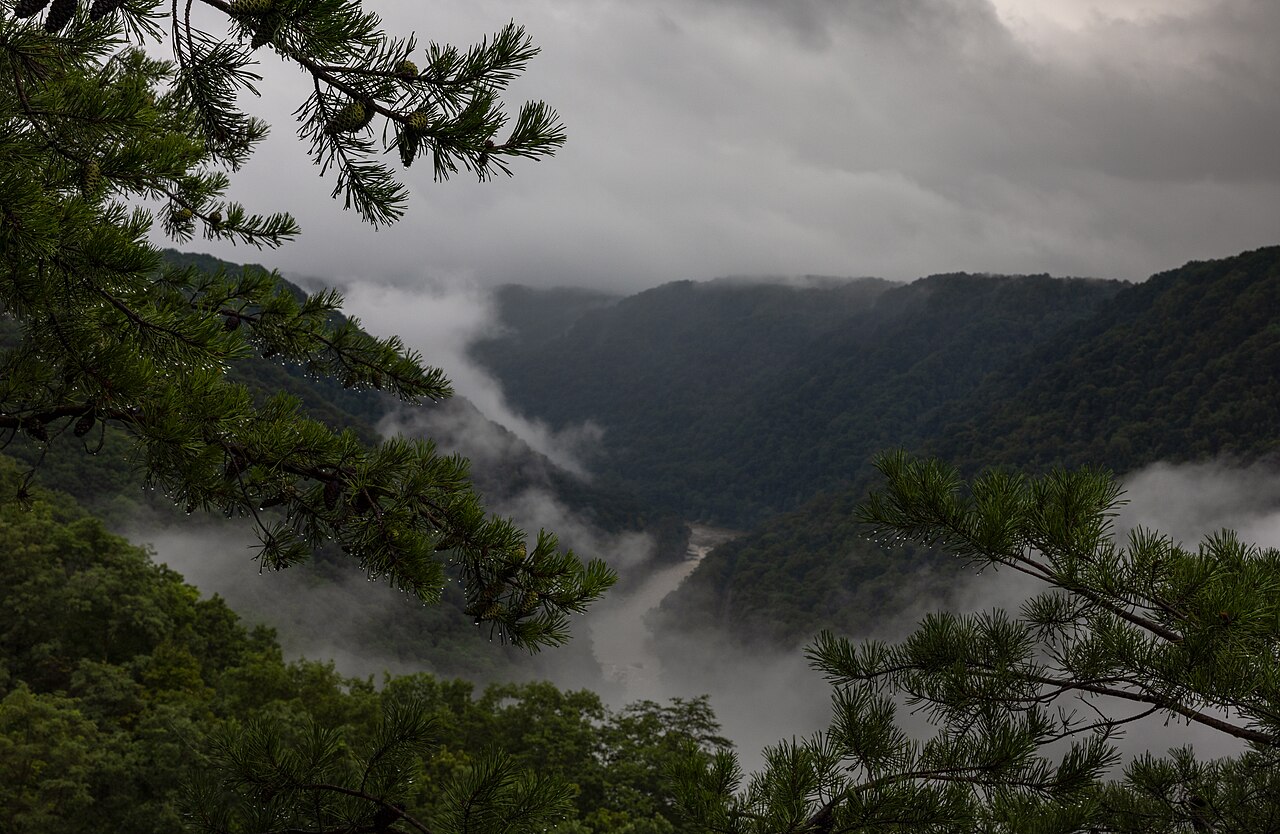
Fayetteville is a small mountain town in southern West Virginia perched on the rim of the New River Gorge, the gateway to New River Gorge National Park and Preserve, the state's first and only national park. Visitors come here on purpose, often having planned the trip around whitewater rafting, rock climbing, or simply seeing the New River Gorge Bridge, one of the most photographed spans in the country. Because the destination itself is the draw, not a stop along a larger route, these guests are already searching, comparing outfitters and lodging, and reading trip reports before they ever book. That kind of deliberate, research-heavy traveler is the easiest kind to win direct: a small inn or hotel with a fast site and honest photos of the gorge keeps the booking, the guest's email, and the full rate instead of splitting it with an OTA.
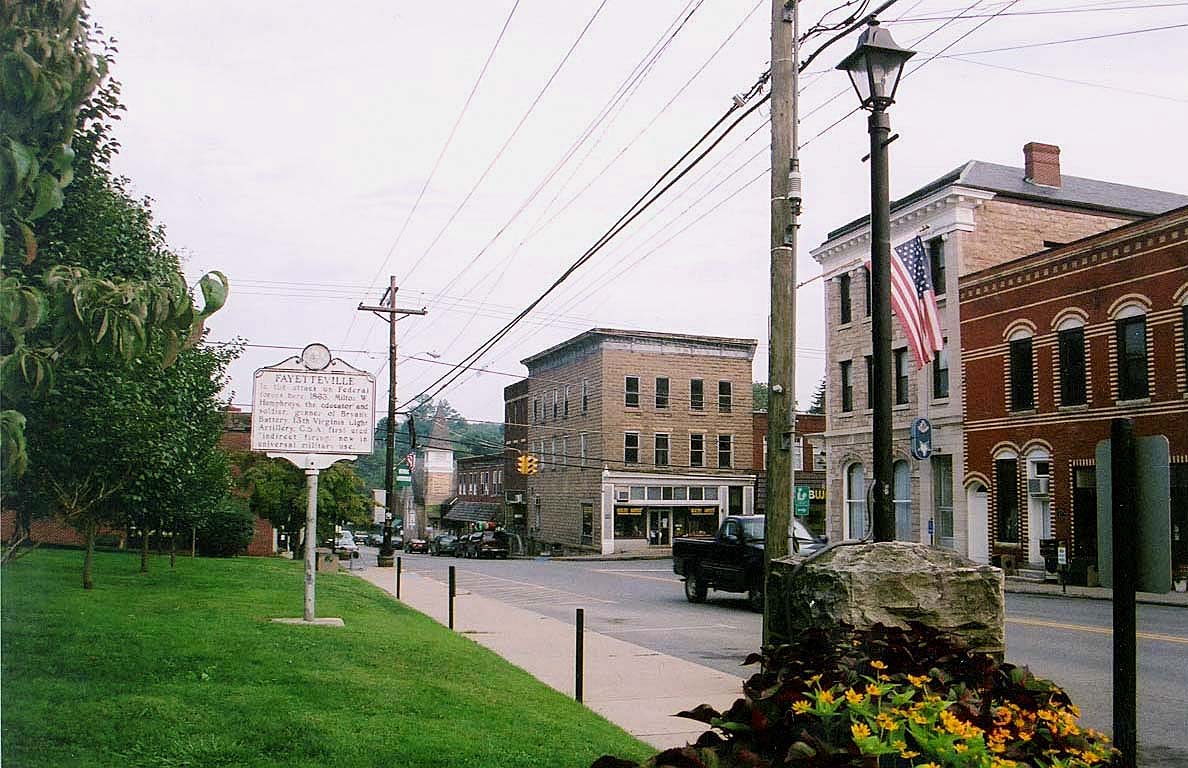
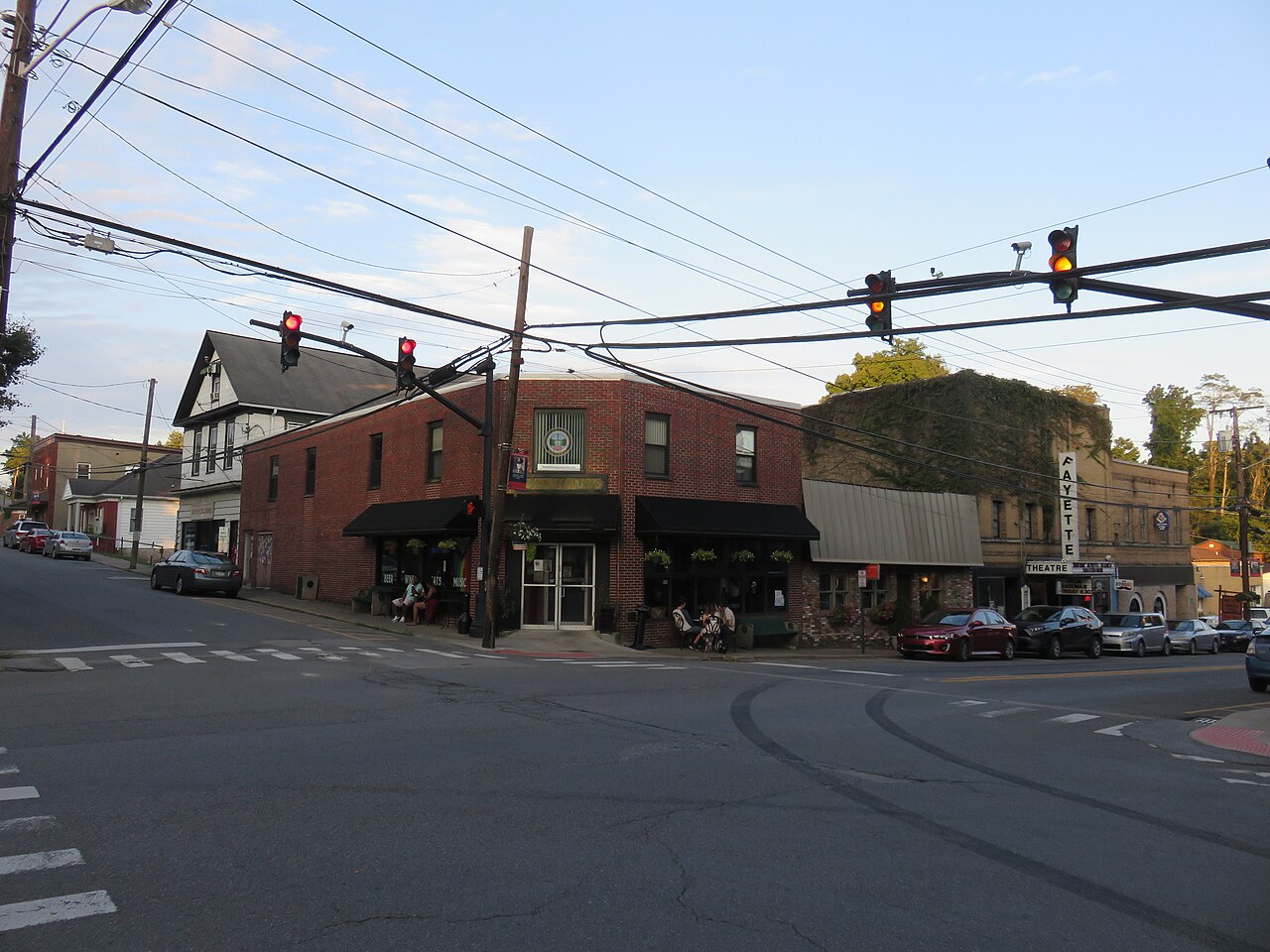
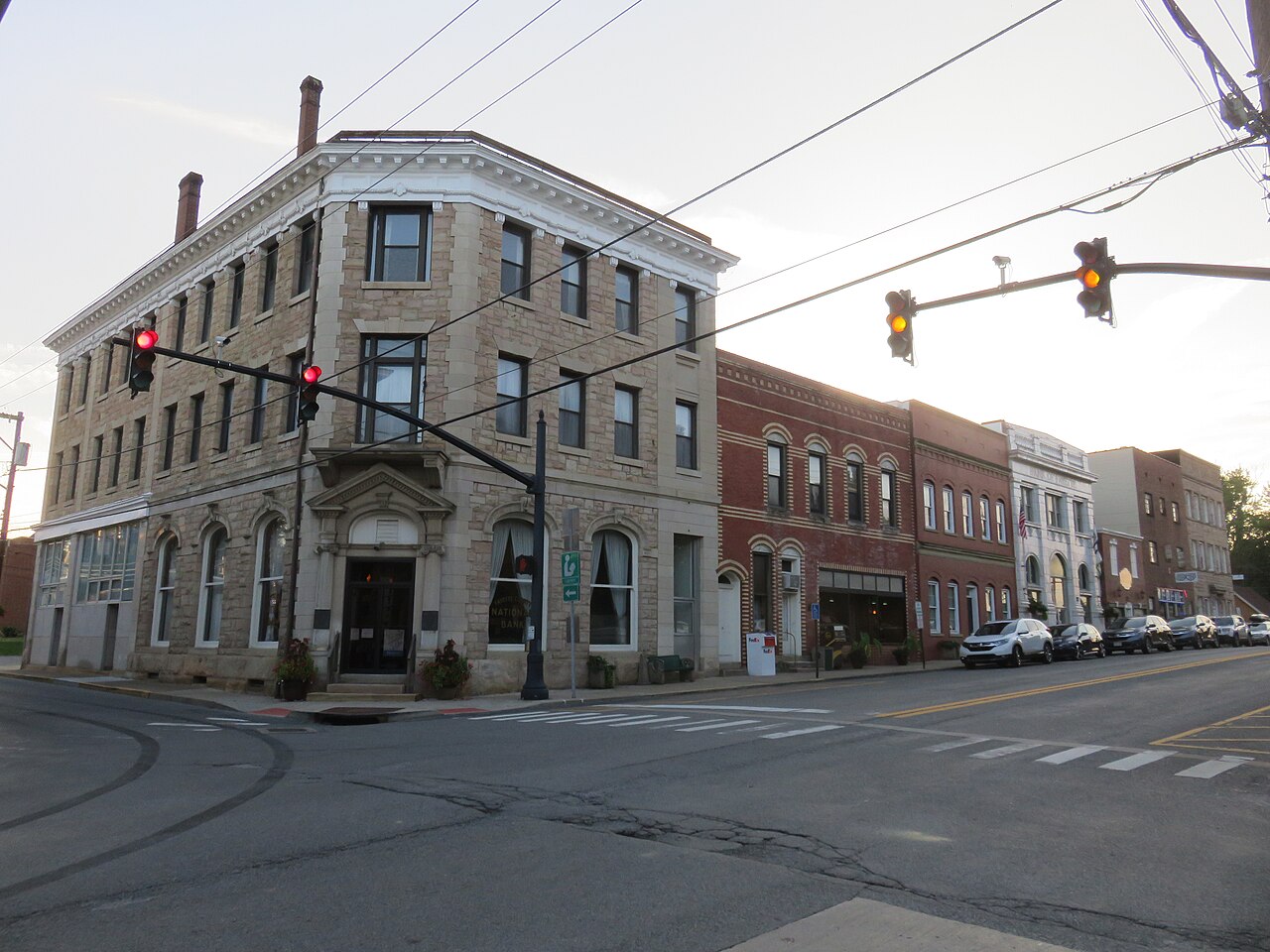
Supply in Fayetteville skews small and independent, historic downtown buildings turned into inns, family-run motels, and a scattering of outfitter-adjacent lodges, with no large chain towers crowding the gorge rim. That is the whole appeal: guests come for a walkable, unpretentious mountain town with a real climbing and rafting culture, not a standardized hotel floor plan. The risk is that once these small, distinctive properties are placed on an OTA page next to every motel along the interstate, the platform flattens the one thing Fayetteville actually sells, its identity as a genuine outdoor-adventure basecamp, into a plain star rating and a handful of photos indistinguishable from a highway exit motel two states away.
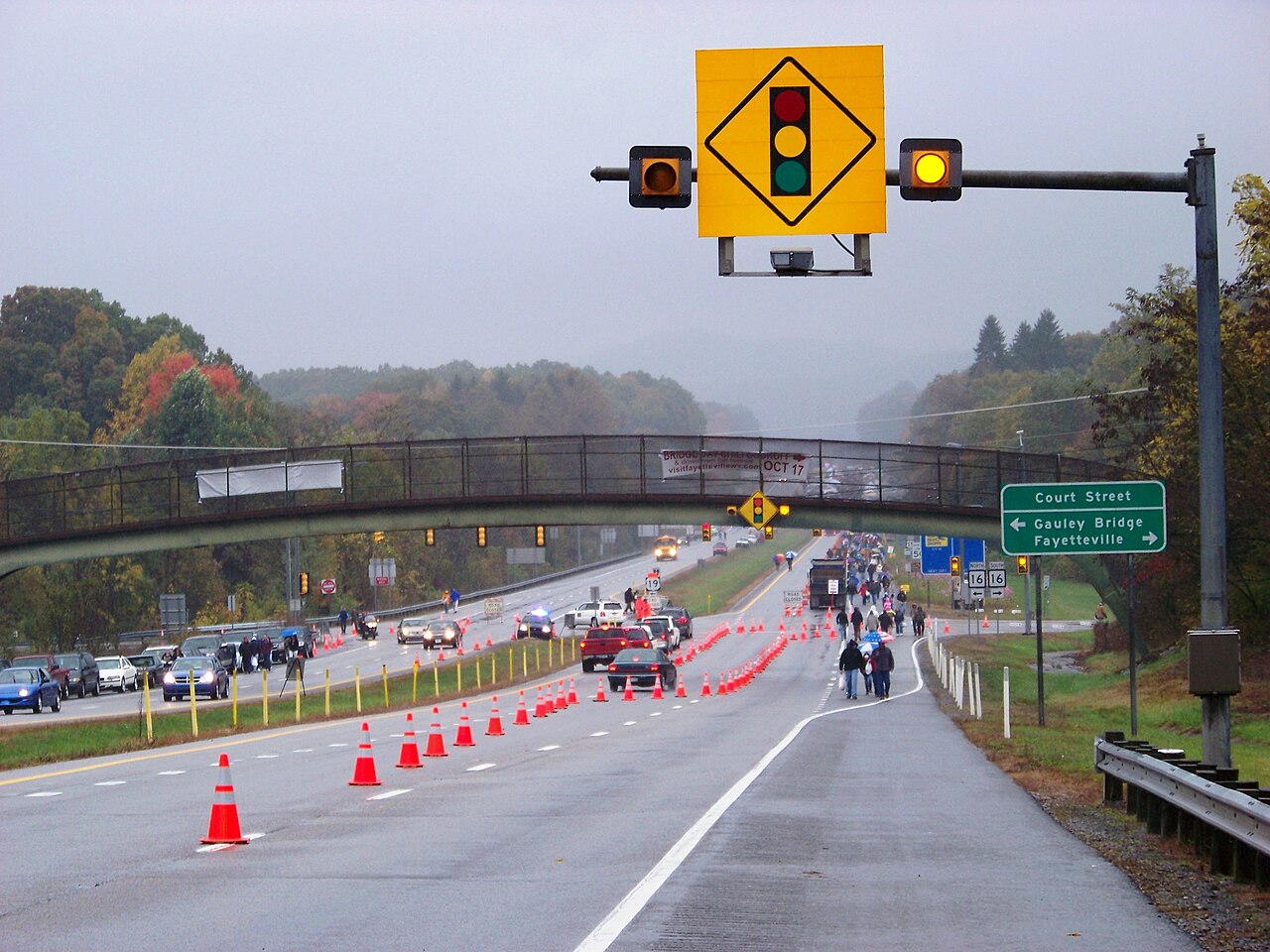
Demand in Fayetteville is driven by a concentrated, real set of outdoor attractions built around the gorge itself. New River Gorge National Park draws hikers, sightseers, and climbers to trails, overlooks, and thousands of documented rock-climbing routes on its sandstone walls. Whitewater rafting on the New River and, each fall, the dam-released Gauley River, brings a heavy and highly planned rafting season. Bridge Day, held every third Saturday in October on the New River Gorge Bridge, draws one of the largest single-day crowds in the state for BASE jumping and rappelling. Nearby, Hawks Nest State Park and Babcock State Park extend a visit with additional overlooks and scenery. This is demand built almost entirely on people who chose the gorge specifically, which makes it unusually well suited to a direct-booking strategy.
The OTA-dependence problem in Fayetteville is that its guest is exactly the kind of planner an OTA should never be able to intercept, someone booking a rafting trip or a Bridge Day weekend months in advance, researching outfitters and routes in detail, yet still defaulting to a platform search out of habit for the hotel room itself. That guest pays the standard 15 to 25 percent OTA commission on a booking they would very likely have made directly had the property's own site simply ranked for 'lodging near New River Gorge Bridge' or 'hotel near Fayetteville rafting.' Because Bridge Day and peak rafting season compress an unusually large share of the year's demand into a few specific weekends, losing that commission on the town's highest-value dates is a bigger hit here than in a market with steadier, more evenly spread demand.
Fayetteville's direct-booking opportunity is strong because its guests are planners by nature. Rafters, climbers, and Bridge Day spectators typically book lodging around a specific date or outfitter reservation well ahead of the trip, and many return for another gorge season the following year. Capture that guest's email after the first stay, and a direct site can turn a single rafting weekend into an annual booking that never touches an OTA. Pair a fast, mobile-first website, since cell service can be limited near the gorge itself, with search terms like 'hotel near New River Gorge' or 'lodging for Bridge Day,' and you intercept the exact traveler who has already decided to come. We build that infrastructure: a site that loads quickly, ranks for the park and the events that drive your calendar, and keeps that returning rafter or climber booking directly with you.
Fayetteville at a Glance
The character your website has to sell — and the OTA grid flattens. Images via Wikimedia Commons, credited to their photographers.
The Fayetteville Hotel Booking Math No One Wants to Run
Walk through the math that almost every Fayetteville hotel operator avoids, and the case for a direct-booking strategy stops being a marketing opinion and becomes an accounting decision.
Booking.com and Expedia are not the enemy. They are a useful, expensive billboard — and the hotels that win in Fayetteville treat them exactly that way: a channel to acquire a guest once, then a relationship to own forever.
Run a hypothetical Fayetteville property through it — say 40 keys at a $260 average daily rate and 64% occupancy, and swap in your own numbers as you read. That is about 9,344 room-nights a year and roughly $2,429,440 in room revenue. If 45% of that demand flows through the OTAs at a blended 18% commission — a common mix for an independent hotel — the property is paying out approximately $196,785 every year in commission alone.
Now run the recovery side. A focused direct-booking program does not eliminate the OTAs — it shifts the mix. Moving just 18 points of booking share from third-party channels to your own website recovers on the order of $78,714 a year in that same example, and it does it with revenue that arrives with the guest's email address, their stay preferences, and permission to market to them again. Across the industry, independent properties typically see far less than half of their bookings arrive direct — the headroom is the opportunity.
A direct booking is worth more than its face value. There is no commission. There is no rate parity handcuff. You own the guest data, so the second stay costs you almost nothing to win. And you control the entire experience — from the first photograph to the confirmation email — instead of renting a template inside someone else's marketplace. That is the entire thesis behind what we build: a Fayetteville hotel website engineered to convert the demand you already have into bookings you actually keep.
Want this math with your own numbers? Run your Fayetteville property through the free OTA commission calculator — five inputs, no signup.
What Fills Hotel Rooms in Fayetteville
Direct-booking strategy starts with understanding who is traveling to Fayetteville and why. These are the demand engines a Fayetteville hotel website should be built to capture.
New River Gorge National Park & Preserve
West Virginia's first and only national park draws hikers, sightseers, and photographers to its rim trails, overlooks, and the gorge itself, pulling steady visitation well beyond any single event weekend. These are planned trips, often built around a specific trail or overlook, that reward a hotel with strong, specific park-access content.
New River Gorge Bridge & Bridge Day
One of the most recognizable bridges in the country draws sightseers year-round and, every third Saturday in October, one of the largest single-day crowds in the state for Bridge Day's BASE jumping and rappelling. Lodging for that single weekend books out far in advance, making it the single most protectable date on the calendar.
Whitewater Rafting (New River & Gauley River)
The New River offers rafting through much of the season, while the fall dam-released Gauley River creates an intense, internationally known whitewater window each year. Rafters plan trips and lodging together months ahead through outfitters, making this a highly bookable, plan-ahead segment of demand.
Rock Climbing
The New River Gorge is one of the most significant sandstone climbing destinations in the eastern United States, with thousands of documented routes drawing a dedicated, repeat-visit climbing community. These travelers often stay multiple nights per trip and return across many seasons, rewarding a hotel that builds real content for climbers.
Hawks Nest & Babcock State Parks
Nearby state parks add overlooks, hiking, and, at Babcock, one of the most photographed old mills in the state, extending a gorge-focused trip into a longer, multi-stop visit. Travelers stringing these stops together plan routes in advance, making them reachable through content built around the drive itself.
Coolest Small Town Identity
Fayetteville's long-running reputation as one of the country's coolest small towns, built on its outdoor culture and walkable downtown, draws visitors independent of any single outfitter trip. That identity is a real, searchable draw in its own right, and a hotel that leans into it captures travelers who want the town as much as the gorge.
Fayetteville Hotel Submarkets
Every submarket draws a different guest at a different rate. A Fayetteville hotel website should speak directly to the traveler its location actually serves.
Downtown Fayetteville
The compact historic downtown around the courthouse square, home to most of the town's small inns, restaurants, and outfitter storefronts, walkable and known locally for its Coolest Small Town reputation. Guests here want to be near the climbing and rafting scene without staying inside a resort compound, and the angle is authentic small-town character best sold directly rather than buried in a regional OTA search.
New River Gorge Bridge / Canyon Rim Area
Lodging closest to the New River Gorge Bridge and the Canyon Rim Visitor Center serves sightseers, photographers, and the enormous single-day crowd that arrives for Bridge Day every October. Rate runs at a premium for gorge-view proximity, and the positioning is the view and the drive time to the bridge itself, details a direct site can state precisely.
Fayette Station / Gorge Floor Access
The steep, historic road down to the New River at Fayette Station, near the base of the bridge, serves rafters and anglers wanting quick access to the put-in and the river itself. Lodging convenient to this access point appeals to outfitter clients booking a trip around a specific launch time, a detail worth naming directly on your site.
Gauley River Corridor (Fall Rafting Season)
Properties positioned toward the Gauley River, reached from the wider Fayetteville area, serve the intense fall whitewater season created by scheduled dam releases from Summersville Dam. This is a short, high-intensity booking window filled with experienced rafters planning months ahead, ideal for a direct site that ranks for Gauley season by name.
Climbing Access Corridor
Lodging near the gorge's most concentrated sandstone climbing areas serves a dedicated, gear-heavy traveler who often stays multiple nights and returns season after season. These guests research routes and conditions obsessively online, and a hotel that speaks directly to climbers, rather than a generic OTA description, earns an outsized share of repeat bookings.
Route 19 / Interstate Corridor
Motels and small hotels along the main highway approach into town serve travelers passing through the wider New River Gorge region or arriving late for an early rafting departure. Rate sits lower here than the gorge-view properties, and the angle is convenience and an easy, direct booking path for a traveler who just needs a bed before an early trip.
The Fayetteville Hotel Competitive Landscape: Who You're Really Up Against
Every Fayetteville hotel competes on four fronts at once, and most operators only think about one of them. The branded chains, the fellow independents, the Airbnb and Vrbo supply, and the competing drive-market towns are all bidding for the same Fayetteville guest — on the OTAs, in Google, and in the map pack. Here is the honest competitive picture, and where an independent property actually has room to win.
Branded & chain hotels
Your most visible competition in Fayetteville is branded mountain resorts and the big slope-side lodges and condo-hotels. They out-spend you on brand advertising, they have loyalty programs that lock in repeat guests, and they dominate the paid placements on generic terms like “hotels in Fayetteville.” What they cannot do is tell a distinctive story or move quickly — every chain property runs the same template. An independent Fayetteville hotel beats them on character, on service, and on a website that actually sells the specific experience of staying with you.
Other independent & boutique hotels
The properties most similar to yours — the other independent and boutique hotels in Fayetteville — are your real fight for the high-intent guest searching “boutique hotels in Fayetteville” or “unique places to stay in Fayetteville.” On the OTA grid you all look the same: a photo, a price, a review score. The independents that win are simply the ones with the faster website, the better photography, and the clearer reason to book direct. That is a race you can win with execution, not budget.
Short-term rentals & Airbnb
Airbnb and Vrbo supply is heavy in Fayetteville, and for leisure travelers it is your most direct competitor on price and space. Whole-home rentals win on square footage and kitchens; a hotel wins on service, flexibility, a real front desk, and trust — advantages your website has to make obvious, because the STR platforms never will.
Nearby & drive-market alternatives
A Fayetteville hotel also competes with the towns next door and the substitute trips a traveler could take instead — every market within an easy drive that offers a similar new river gorge national park & preserve experience. This is the competition your search and content strategy answers: ranking for Fayetteville-specific terms, telling travelers exactly why Fayetteville (and your property) is the right base, and capturing the guest at the research stage before a competing destination does.
Where the competition concentrates in Fayetteville
Across a deep and crowded room supply, the competition is not spread evenly — it concentrates by submarket. It is fiercest in Downtown Fayetteville, New River Gorge Bridge / Canyon Rim Area and Fayette Station / Gorge Floor Access, where the most rooms chase the same Fayetteville guest and the OTA price grid is most crowded. A property in one of these submarkets cannot win on rate alone; it wins by ranking for its own neighborhood terms (“hotels in Downtown Fayetteville”, “Fayetteville hotels near New River Gorge Bridge / Canyon Rim Area”) and by making the case for its exact location on its own website — the one place the OTA grid can't flatten it into a number. The quieter submarkets are less contested and often more profitable per direct booking, which is exactly where a focused local-SEO push pays off fastest.
The opening: most Fayetteville hotels have abandoned their direct channel
The reason this competition is winnable is that so few Fayetteville hotels are genuinely fighting for direct bookings. They list on Booking.com, they hope for the best, and they treat their own website as an afterthought. When you treat it as the instrument it is — fast, mobile-first, built to convert, backed by hotel SEO and a claimed map presence — you are suddenly competing on a field most of your Fayetteville rivals have abandoned. That is a structural advantage no amount of chain marketing budget can take back from you.
The table below is the whole competition analysis in one view — why, booking for booking, the direct reservation on your own Fayetteville hotel website is worth more than the same guest arriving through any competitor's channel.
| Booking channel | What it costs you | Who owns the guest | Rate & brand control |
|---|---|---|---|
| Your direct website | 0% commission | You do — name, email, history | Full control of rate, story, packages |
| OTA listing (Booking.com, Expedia) | 18%+ per booking | The OTA — you get a masked email | Rate-parity limited, one flat grid |
| Airbnb / Vrbo listing | Host + guest fees | The platform | Limited, platform-controlled |
| Brand-chain loyalty booking | Franchise + loyalty cost | The chain, not the property | Corporate template, no local story |
None of this means abandoning the OTAs or pretending the chains aren't formidable. It means understanding the Fayetteville competitive set clearly enough to compete where you can actually win — on your own site, for the guest who is already looking for exactly what you offer.
Seasonality & the Fayetteville Demand Calendar
Fayetteville's calendar is built around outdoor recreation windows rather than a single climate-driven peak, with Bridge Day in October standing as the single highest, most predictable demand spike of the year, compounded by the same fall stretch's Gauley season whitewater and peak leaf color. Summer holds a strong, steady season built on New River rafting, climbing, and family park visits, while spring brings a shorter, high-water rafting window for more experienced paddlers alongside early-season hikers and climbers. Winter is genuinely quiet, as cold weather thins both rafting and much of the climbing traffic down to a smaller sightseeing crowd. Because so much of Fayetteville's highest-value demand is concentrated into specific, well-known windows, Bridge Day weekend above all, a hotel here benefits enormously from defending those exact dates on its own site rather than letting an OTA algorithm price them, while using the quieter winter months to build repeat business through email with the rafters and climbers who will be back again next season.
The takeaway for Fayetteville operators is simple: your direct channel is the only place you fully control rate, minimum stays, and packages across every one of these windows. Lean on it to capture the peaks at full value and to fill the troughs the OTAs won't.
Rate Strategy & Revenue Management for Fayetteville Hotels
Owning your direct channel changes what is possible with rate. On the OTAs you are a row in a price grid; on your own Fayetteville website you control the entire offer — rate, packages, length-of-stay rules, perks, and the story around all of it.
Beating the OTA without breaking rate parity
Rate parity agreements limit the public nightly rate a Fayetteville hotel can advertise below its OTA price — but they leave enormous room to win on value. A direct booker can receive perks an OTA guest never will: a complimentary upgrade when available, late checkout, a welcome amenity, parking or breakfast bundled in, a member rate behind a simple sign-in, or a package that combines the room with a Fayetteville experience. Each of these makes the direct booking the better deal without touching the headline rate. We build these offers directly into the booking path, so the traveler comparing your website to your OTA listing sees, plainly, that direct is worth more.
Pricing ahead of Fayetteville's demand calendar
The most common and most expensive revenue mistake we see in Fayetteville is reactive pricing — setting rates based on this week instead of the demand curve six to eight weeks out. Fayetteville's peaks sell out; the question is whether they sell out at the right rate or are given away early at a flat one. Your direct channel is where you have the most control to price each demand window deliberately: premium rates and minimum-stay rules at the peaks, targeted offers and packages to fill the troughs, and length-of-stay incentives that lift your average booking value. Because you own the channel, you can test and adjust continuously, without waiting on an OTA's interface or rate-loading lag.
Length of stay, mix, and the metrics that matter
Length of stay is the quiet lever most Fayetteville operators never pull deliberately. Shifting mix toward longer direct stays lowers your turnover cost per booked night and raises the lifetime value of each guest you acquire. We help Fayetteville hotels track the metrics that actually drive profit — direct revenue, direct share, RevPAR, booking value, and acquisition cost by channel — rather than the vanity numbers that look good and change nothing. When you can see what each channel truly costs and returns, the case for shifting share to direct stops being a theory and becomes a number you manage every month.
What a Direct-Booking Website Has to Do for a Fayetteville Hotel
The difference between a Fayetteville hotel website that books and one that just exists comes down to a short list of decisions — most of them invisible to the owner and obvious to the guest.
1. Beat the OTA on price — visibly
The single most powerful conversion lever is a clear best-rate-here guarantee. A Fayetteville guest who finds your hotel on Booking.com, then lands on a site that promises (and proves) a better deal direct, converts at a dramatically higher rate. Rate parity rules limit what you can advertise off-site, but on your own website you can offer perks, packages, and member rates the OTAs can never match.
2. Load in under two seconds
More than half of mobile visitors abandon a page that takes longer than three seconds. We build on static, CDN-delivered architecture — the same approach behind the fastest sites on the web — so your pages paint instantly on a phone in an airport, which is exactly where hotel research happens.
3. Put the booking widget everywhere
The booking engine should never be more than one tap away. A persistent date-and-rate bar, a sticky 'Check Availability' button, and inline calls to action on every room and package page remove the friction that sends guests back to the OTA out of habit.
4. Sell the room with cinematic photography
Guests do not book floor plans; they book a feeling. Wide, well-lit, story-driven imagery of the rooms, the lobby, the rooftop, the Fayetteville view out the window — shot to convey the experience of arriving — is the difference between a rate that looks expensive and a rate that looks worth it.
5. Win the mobile booking
Two-thirds of hotel research now happens on a phone. Thumb-friendly date pickers, Apple Pay and Google Pay at checkout, and a booking flow that never forces a pinch-zoom are not nice-to-haves — they are the majority of your traffic.
6. Build trust above the fold
Real guest reviews, recognizable trust signals, a human phone number, and clear cancellation terms answer the question every Fayetteville traveler is silently asking: can I trust booking directly here, or is the big-brand site safer? Answer it before they wonder.
7. Capture the ones who don't book today
Most visitors are not ready on the first visit. An email capture offer, an abandoned-booking remarketing pixel, and a fast follow-up sequence turn a bounced session into a booking next week — at zero commission.
8. Speak Google's language
Structured data for your hotel, rooms, rates, and reviews lets Fayetteville searches show your property with rich results, star ratings, and pricing right on the results page — and feeds the Google Hotel and metasearch ecosystem that increasingly decides who gets the click.
None of these are aesthetic preferences. Each one maps to a measurable point of conversion rate, and conversion rate is the multiplier on every marketing dollar you spend driving traffic to the site in the first place. Build the instrument correctly, and every other channel — search, metasearch, email, paid — gets more efficient.
The Fayetteville Guest's Booking Journey — and Where It Breaks
To win more direct bookings, it helps to follow a Fayetteville traveler through the decision the way they actually experience it. They start with inspiration or intent — a trip to Fayetteville for a wedding, a conference, a long weekend. They search, usually on a phone. They land on an OTA, scroll a grid of near-identical options, and maybe click through to a few hotel websites to learn more. Somewhere in there, they decide where to book. Every one of those steps is a place a Fayetteville hotel either captures the guest or hands them back to a commission channel.
The handoffs where bookings leak
The leaks are predictable. A traveler finds your hotel on Booking.com, likes it, and visits your website to confirm the decision — only to meet a slow page, dated photos, or a booking button they can't find, and so they retreat to the OTA where at least the process is easy. Or they search your hotel by name and click a paid ad an OTA placed on your own brand term, never reaching your site at all. Or they almost book directly, get interrupted, and never come back because nothing followed up. Each of these is a fixable handoff, and fixing them is most of what a direct-booking program actually does.
Designing the journey to end on your site
We design the entire Fayetteville guest journey to converge on your booking engine: search visibility so they find you, brand defense so an OTA can't intercept your name, a fast and trustworthy site so the visit confirms rather than deters, a booking path so frictionless that completing it is easier than going back, and follow-up so the ones who don't book today still book this week. Done well, the journey that used to end on an OTA ends on your own website — with no commission, the guest's details captured, and a relationship you can build on for the next stay.
Hotel SEO in Fayetteville: Owning the Search Before the OTA Does
When a traveler types “hotels in Fayetteville” or “boutique hotel Fayetteville downtown” into Google, a small number of properties capture the overwhelming majority of the clicks. Hotel SEO is the discipline of being one of them.
The terms that actually drive Fayetteville bookings
High-intent search in this market splits into a few clear buckets, and a well-built Fayetteville hotel site needs a page engineered for each. There are the broad discovery terms (“hotels in Fayetteville”, “where to stay in Fayetteville”); the qualified-intent terms that convert far higher (“boutique hotel Fayetteville”, “pet-friendly hotel Fayetteville”, “hotel near the waterfront”); the event and seasonal terms that spike around the calendar; and the brand terms for your own property name, which you must defend because the OTAs bid on them to intercept your guests.
Why independent Fayetteville hotels lose this race — and how they win it
Most independent properties in Fayetteville are invisible in search for one of three reasons: their site is too slow for Google to rank, it has no content depth beyond a homepage and a rooms page, or it is built on a platform that buries the booking path and the page text in JavaScript that search engines struggle to read. We fix all three at the foundation. Fast static pages, genuine content depth around the property and its neighborhood, clean technical SEO, accurate hotel schema, and a local-search profile aligned to your West Virginia address give Google every reason to rank you above an OTA listing for the searches that matter.
Local and map search
A large share of Fayetteville hotel demand never reaches a traditional search results page at all — it happens inside Google Maps and the local pack. A complete, optimized business profile, consistent citations across the web, accurate amenities, and a steady flow of genuine reviews are what put your hotel in those map results when a traveler is standing in Fayetteville looking for a room tonight. We treat your local presence as part of the same system as the website, because to the guest, it is.
How search compounds for a Fayetteville hotel
The reason we treat SEO as infrastructure rather than a campaign is simple: it compounds. A paid placement disappears the day the budget does. An organic position, a strong map presence, and a library of genuinely useful content about your property and Fayetteville keep delivering bookings month after month, often for years, on work done once. Over time that owned visibility becomes one of the most valuable assets a Fayetteville hotel has — a steady stream of high-intent, commission-free demand that no competitor can simply outbid you for overnight. It is slower to build than a paid campaign and far more durable, which is exactly why the independent hotels that commit to it tend to pull away from the ones that don't.
The Fayetteville Hotel Searches Worth Owning
A direct-booking strategy for Fayetteville is only as good as the searches it captures. These are the real, high-intent query clusters a Fayetteville hotel website should be built to rank for — the searches where a booking is genuinely up for grabs, grouped by how close the traveler is to reserving a room. We build a page and a plan for each cluster that matters to your property, so the demand the OTAs currently intercept starts landing on your own site instead.
Discovery searches
The broad, top-of-funnel queries where the OTAs spend most heavily. You won't out-bid Booking.com on these, but strong hotel SEO and a claimed Google Business Profile put your property in the organic and map results right beside the paid ads.
Qualified & boutique intent
These convert far higher than the broad terms because the traveler already knows the kind of stay they want. This is where an independent hotel out-ranks the chains — the guest searching this is looking for exactly what a boutique property offers.
Fayetteville neighborhood searches
Location-specific searches carry the highest booking intent of all — the traveler has picked their part of town. Owning your own submarket terms is the single fastest local-SEO win most independent hotels never claim.
Booking & rate intent
The bottom-of-funnel searches from travelers ready to reserve. Defending these — and answering them with a visible best-rate-direct promise — is how you intercept the guest before they default back to an OTA.
Event & seasonal demand
Searches that spike around the calendar and the demand drivers that fill your market. A page ready for each of these captures high-intent, deadline-driven bookings the OTAs would otherwise take.
This is the difference between a hotel website that exists and one that competes: not one homepage trying to rank for everything, but a deliberate structure aimed at the Fayetteville searches that actually book rooms — from “hotels in Fayetteville” all the way down to “book Fayetteville hotel direct.”
Building a Direct-Booking Brand for a Fayetteville Hotel
Before a Fayetteville traveler ever reaches your booking engine, they have already made a judgment about your hotel — usually in the first few seconds, usually on a phone, and usually based on whether your property looks like it has a point of view or looks like every other listing in the results.
Positioning is a revenue decision, not a logo
Brand, in the context that matters for a Fayetteville hotel, is not a color palette or a typeface. It is the answer to a single question every traveler asks: why this hotel and not the one next door at the same rate? A clear answer — the design-forward boutique, the family-run property that actually knows the neighborhood, the quiet adult retreat, the walkable base for exploring Fayetteville — lets you compete on fit instead of price. And fit is something the OTA's sort-by-cheapest interface can never surface. When your website makes that positioning obvious in the first scroll, the right guest self-selects, your conversion rate rises, and your direct channel stops competing with Booking.com on the one axis where Booking.com always wins.
Translating Fayetteville into a reason to book
The strongest Fayetteville hotel brands borrow from their location. The submarket you sit in, the kind of traveler Fayetteville draws, the experience just outside your door — all of it is raw material for a position that no chain flag can replicate. We help Fayetteville properties turn that local specificity into the spine of their website: the photography, the room descriptions, the packages, and the copy all pointed at one clearly-defined guest, so that the property reads as the obvious choice for that guest rather than a generic option for everyone. A hotel that is the obvious choice for someone outperforms a hotel that is a forgettable option for anyone, every time.
Consistency across every channel the guest sees
Positioning only works if it is consistent. The brand a traveler meets on your Fayetteville website should be the same one they meet on your OTA listings, your Google Business Profile, your social presence, and the confirmation email they receive after booking. When those touchpoints align, trust compounds and the direct booking feels safe. When they contradict each other — a polished website and a neglected map listing, say — the guest defaults to the channel they trust most, which is usually the big OTA. We build the website as the anchor of a consistent presence, so that every place a Fayetteville traveler encounters your hotel reinforces the same reason to book direct.
The Fayetteville Hotel Website Conversion Checklist
A Fayetteville hotel website either does these things or it leaks bookings. There is very little middle ground.
Every page we build clears this bar
- A best-rate-direct guarantee, stated plainly and honored
- A booking engine reachable in one tap from every page
- Sub-two-second mobile load times on real devices
- Apple Pay, Google Pay, and a frictionless guest checkout
- Cinematic room, amenity, and neighborhood photography
- Honest, current guest reviews surfaced near the Fayetteville booking call to action
- Clear cancellation, deposit, and pet/parking policies — no surprises
- Email and abandoned-booking capture to recover the 95% who don't book on visit one
- Hotel, room, rate, and review schema for rich results in Google
- An accessible, WCAG-aware build so every guest can book
Five Mistakes Fayetteville Hotels Make
None of these are exotic. They are the ordinary, expensive habits we see in nearly every Fayetteville hotel that books less direct revenue than it should.
The patterns that cost Fayetteville hotels the most
- Discounting Bridge Day weekend through an OTA. The single most predictable sellout date of the year still gets sold at a commissioned rate at too many small properties, giving away the best margin available all year on the town's busiest weekend.
- Treating rafters and climbers like generic tourists. A site with stock mountain photos and no mention of put-ins, routes, or outfitter proximity fails the specific, gear-focused research this traveler actually does before booking.
- Not capturing the repeat rafter or climber's email. Guests who raft the Gauley or climb the gorge often return season after season, but a property that never captures contact information lets a platform re-sell that same loyal guest instead of you.
- Assuming strong cell signal near the gorge. Many guests are booking or checking availability with limited reception near the park, and a heavy, slow-loading site loses that booking to whichever page loads fastest on a weak connection.
- Ignoring the Coolest Small Town identity. Hotels that market only the gorge and skip the walkable downtown and its outdoor culture miss a real, searchable draw that brings visitors who want the town experience as much as the whitewater or the climbing.
What Winning Direct Looks Like in Fayetteville
Picture the property this playbook is written for: an independent Fayetteville hotel of roughly 95 rooms with solid reviews, a fair location, and the same problem nearly every operator in this market shares — it books well, but on someone else's terms. Most reservations arrive through the OTAs, the website is a slow, dated brochure, and there is no real way to reach the guests who have already stayed.
The fix is not complicated, but it is deliberate. A fast, cinematic new site with a one-tap booking engine and a visible best-rate-direct promise. Professional photography that finally sells the rooms. Hotel SEO and metasearch placement to capture Fayetteville search demand. And an email program to turn one-time guests into repeat direct bookings.
What changes when that system is in place is structural, not cosmetic: every booking that shifts from an OTA to the hotel's own site arrives commission-free, with the guest's contact details attached and the relationship owned by the property. How fast the mix shifts depends on the hotel's starting point, rate position, and season — which is exactly what a proposal for a specific Fayetteville property is for. We would rather show you the mechanism honestly than promise you someone else's number.
From OTA-Dependent to Direct, in Four Steps
Audit
We start by auditing your existing Fayetteville site, booking flow, OTA mix, and search visibility — and quantify exactly what the current setup is costing you in commission and lost direct bookings.
Design & build
We design and build a fast, cinematic, conversion-first website with an integrated booking engine, your rates, your packages, and your brand — typically live in weeks, not months.
Capture demand
We turn on the demand engine: hotel SEO, Google Hotel and metasearch placement, paid search defense of your brand terms, and email capture — all pointed at the Fayetteville guests already searching for a room.
Optimize & grow
We measure every booking, test relentlessly, and tune rate, photography, and funnel month over month. Your direct share climbs, your commission line shrinks, and your guest list becomes an asset you own.
Why a Hotel Specialist Beats a Generalist for a Fayetteville Property
A Fayetteville hotel website has a job that a restaurant site or a law-firm site does not: it has to win a transaction against a multi-billion-dollar marketplace the guest just came from. That is a specialist's problem.
The details a generalist misses
The things that decide whether a Fayetteville traveler books direct or bounces back to the OTA are mostly invisible to a generalist. The booking widget that has to live one tap from every page, integrated with your property management system and channel manager so rates and inventory never fall out of sync. The best-rate-direct logic that beats the OTA on value without breaking rate parity. The hotel, room, rate, and review schema that lets Google show your property with pricing and stars in the results. The sub-two-second mobile load times that keep the airport-lounge researcher from giving up. A general agency does not build these because it does not know they are the whole game; a hotel specialist builds them because it knows nothing else matters as much.
Knowing the Fayetteville market, not just the web
Building a hotel website well also means understanding the market it competes in. Who travels to Fayetteville and why, which submarkets draw which guests at which rates, how the season swings, and where the demand the OTAs currently own could be captured directly instead. That market knowledge shapes the photography, the room descriptions, the packages, and the search strategy — and it is why every page we build starts from a real understanding of the local demand picture rather than a generic template. A Fayetteville hotel does not need a prettier brochure; it needs a direct-booking instrument built by people who understand both the web and the business of selling rooms in West Virginia.
One throat to choke, one number that matters
Because we do only this, we are accountable to one number: your direct booking share. Not impressions, not a design award, not a vague sense that the site looks more modern. We baseline what your current channel mix costs, build something measurably better, and report on the commission you keep. That focus is the entire reason an independent Fayetteville hotel is better served by a specialist than by the agency that also happens to do dentists and HVAC companies.
Fayetteville Hotel Marketing FAQ
Straight answers for Fayetteville hotel owners weighing a move to direct bookings.
Hotels in Fayetteville collect West Virginia state sales tax along with a local hotel occupancy tax administered through Fayette County. Because the exact combined rate is set locally, confirm your current obligations with Fayette County and the West Virginia State Tax Department rather than relying on a figure you saw elsewhere.
Most independent hotels here pay 15 to 25 percent per booking depending on the platform. Losing that share on Bridge Day weekend or peak Gauley season, when the whole town is sold out at its highest rates, is a much bigger hit than losing the same percentage on an ordinary midweek night.
For your property name and specific terms like 'lodging near New River Gorge Bridge' or 'hotel for Bridge Day,' yes. Broad terms like 'West Virginia hotels' are harder to win, but Fayetteville's highly specific, event- and park-driven searches are well within reach for a fast, well-built site.
A professional, fast direct-booking site typically costs a few thousand dollars to build plus a modest ongoing fee, with a booking engine charging a low single-digit percentage instead of the 15-25% OTAs take. Given how concentrated Fayetteville's peak demand is, most properties recover that cost within a single strong Bridge Day and rafting season.
No. Keep a presence there to reach first-time visitors who are still discovering New River Gorge, then move them to your own site and email list for their next rafting trip, climbing weekend, or Bridge Day visit.
Your guests are planners who book rafting trips, climbing weekends, and Bridge Day visits months ahead and frequently return for another gorge season. Capture the email on the first stay and a direct site keeps that returning outdoor traveler coming straight to you instead of an OTA.
Because so much of the market's highest-value demand sits on a handful of known dates, especially Bridge Day and Gauley season, many properties see a clear shift within a single year. The best test is whether those specific weekends fill directly before they ever reach an OTA.
Yes. Lodging properties must meet West Virginia state hotel and life-safety requirements and register with Fayette County to collect local occupancy tax. Confirm the current steps directly with Fayette County and the City of Fayetteville, since requirements are set locally and can change.
The Fayetteville hotels that will own the next decade are the ones building owned demand now — a fast website, a real direct-booking habit among their guests, and a search presence the OTAs can't rent out from under them. The ones that wait will keep paying the commission tax on every reservation, forever.
Other hotel markets we serve in West Virginia
CharlestonHarpers FerryLewisburg All West Virginia markets →Ready to win more direct bookings in Fayetteville?
Tell us about your Fayetteville hotel and we'll send a free proposal — including exactly what your current OTA mix is costing you and what a direct-first website could recover.
Get a Free Proposal