Website
The Hotel Website Launch Checklist: What to Check Before You Go Live
A pre-launch checklist for a hotel website: booking flow, mobile, speed, SEO redirects, analytics, accessibility, legal, and security before you go live.
Holiday and New Year's Eve packages are one of the easiest direct-booking offers an independent hotel can sell, because the guests buying them are planning an evening rather than comparing room rates. This guide covers the 2026 holiday calendar, which packages suit which hotels, how to price them, the FTC's total-price rule, the package page and booking engine setup, Google, email to past guests, gift cards and a week-by-week timeline from now to January.
The last six weeks of the year behave differently from the rest of the calendar. Business travel thins out, leisure travel swells, and the people who do travel are shopping for a reason to go somewhere as much as for a bed. AAA projected that 122.4 million Americans would travel 50 miles or more from home between December 20, 2025 and January 1, 2026, a record and 2.2 percent more than the year before. Of those, 109.5 million were expected to go by car, about 89 percent of the total. For most independent hotels that is the number that matters most: holiday demand is largely drive-in demand, from people who can decide late and arrive the same evening.

The hotel data shows the same leisure tilt. CoStar reported that for the week of December 28, 2025 through January 3, 2026, U.S. hotels ran 50.5 percent occupancy at an average daily rate of $175.47, with revenue per available room up 7.9 percent on the year before, and it credited strong leisure demand during the holiday period. Read that occupancy figure with care. A national average near 50 percent hides two very different hotels: the one in a holiday destination that sells out New Year's Eve at its best rate of the year, and the one that depends on weekday corporate travel and goes quiet for ten days.
Packages help both of them. For the first hotel they turn a sold-out night into a more valuable night, because a guest buying a dinner, a bottle and a late checkout spends more than a guest buying the room alone. For the second they create a reason to visit that did not exist before, which is the only thing that fills a hotel whose usual guests have gone home for the holidays.
There is a softer signal worth knowing about too. Deloitte's 2025 Holiday Travel Survey, fielded from September 26 to October 3, 2025 among 3,896 Americans, found that more than half planned trips between Thanksgiving and early January, the first time in at least five years. Most of that increase came from people staying with friends and family rather than in paid lodging, and average planned budgets fell 18 percent to $2,334. Holiday travelers are out there. Many of them need a specific reason to pay for a room, and a well-built package gives them one.
A package is a room rate with something else built into it, sold as one price for a defined set of dates. That definition rules out a few things owners often call packages. A promo code that takes 15 percent off is a discount. A bottle of wine a guest can add during checkout is an add-on, which is useful but separate. A package bundles the room with inclusions and conditions so the guest weighs one complete offer instead of a list of parts.
Every package has three parts:
This matters because guests do not shop holiday stays the way they shop a Tuesday in March. Someone booking New Year's Eve is planning an evening. They want to know where they will eat, how they will get to the fireworks and back, whether they can sleep in on January 1, and what all of it will cost. A page that answers those questions with one price saves them the work of piecing the evening together across four different websites.
Packages also do something useful for you. They give your own website an offer that is easy to explain and hard to compare on a price grid. A guest scanning rates on an online travel agency sees a room. A guest on your site sees the whole evening. If you have read our piece on book-direct perks, this is the same idea at a larger scale: the inclusion is the reason to book with you, and the price reflects it instead of undercutting your own rate. The smaller extras that sit beside packages, such as upgrades and early check-in, are covered in our guide to upselling and ancillary revenue.
The days of the week the holidays fall on change which nights sell and which packages make sense, so start with the calendar. In 2026 and early 2027:
Two long weekends back to back make a good setup for a hotel that sells leisure. Families visiting relatives often travel for the Christmas weekend and head home before New Year's, while couples and groups of friends often go away for New Year's. You can design one package for each crowd rather than a single generic holiday offer that fits nobody especially well.
Look at the dates against your own history as well. Pull last year's pickup for every night from December 18 to January 4, and note which nights filled, when they filled and at what rate. New Year's Eve fell on a Wednesday in 2025 and falls on a Thursday in 2026, so check how the shift changes the pattern before you copy last year's restrictions. CoStar's report on New Year's week in early 2025 credited that week's gains over the prior year to the holiday's calendar shift, a reminder that the weekday a holiday lands on can move results as much as anything you do.
Finally, check the local calendar: a downtown countdown, a holiday lights festival, a bowl game, a ski area opening, a holiday market. Local events are often the real reason a guest picks your town for the weekend, and naming them on your package page helps both the guest and the search engine understand why the stay makes sense. For setting the rates themselves around these peaks, see our seasonal pricing guide.
The most common mistake is offering too many packages. Six options with overlapping inclusions confuse guests and multiply the setup work for your team. Two to four is plenty for most independent hotels, and one strong New Year's Eve offer can carry the whole season.

Start with who already stays with you in December and what they come for, then choose from the patterns that fit:
That last one deserves a closer look. Deloitte found that much of the growth in holiday travel came from people staying with friends and family. The hosts are your neighbors, and many of them would happily book a room nearby for parents or grown children if someone made it easy. A simple package with a two-night minimum, breakfast and late checkout, promoted to your own city through local email and social media, reaches demand the travel sites never see.
Whatever you choose, each package should pass three tests. Can you deliver every inclusion on the busiest night of the year without extra staff? Can you describe it in one sentence? Does it earn more per room night than selling the room alone? If the answer to any of these is no, simplify the package until it is yes.
New Year's Eve is the one night of the season when almost every hotel near a celebration can sell out. That changes the goal from filling rooms to selling each room with more value attached, to the right guests, on terms that protect you if their plans change.

The inclusions that matter most on this night are practical. Guests want somewhere to eat, a way to reach the celebration and get back without paying a surge fare, and permission to sleep in. A late checkout on January 1, at noon or 1 p.m. instead of 11 a.m., costs you little because few guests arrive early on New Year's Day, and guests value it highly. A New Year's Day brunch or breakfast in the room adds to it. A confirmed dinner reservation inside the hotel, at a set seating time, is worth real money in a town where every restaurant is booked.
Common structures, from simplest to most involved:
If your hotel sits within walking distance of a public fireworks show or countdown, say so plainly on the page and give the walking time. That is the inclusion your location provides for free, and for many guests it is the whole reason to book. If you are farther out, a shuttle or an arrangement with a local car service can stand in for walking distance.
Set the minimum stay deliberately. A two-night minimum over December 30 and 31 protects occupancy but turns away guests who only want one night. With New Year's Eve on a Thursday in 2026, one-night demand on the 31st may be strong enough on its own, and the next night may be easier to sell on Friday, New Year's Day, to guests staying through the weekend. Watch pickup and adjust; most booking engines let you change a restriction in minutes.
Christmas packages sell something different: time together, with the hosting done by someone else. Many guests over the Christmas weekend are visiting family in town or gathering a family in one place, so the package should solve the practical problems of a group that wants to spend the holiday together without cooking for twelve.

Inclusions that tend to fit:
Be precise about what is open. A guest who books a Christmas stay expecting a restaurant that turns out to be closed on December 25 will remember that more than anything else about the trip. List your outlet hours for December 24, 25 and 26 on the package page and in the confirmation email, and if the restaurant is closed, say what you have arranged instead.
Holiday traditions at the hotel itself can become a reason to visit. The photo in this chapter shows entries in the National Gingerbread House Competition on display at the Omni Grove Park Inn in Asheville, North Carolina. A small hotel does not need a national competition, but a decorated lobby, a tree lighting with the neighborhood, a weekly carol night or a display by local school classes gives guests something to plan around and gives your social channels something real to show.
Price Christmas packages with families in mind. Show the total for the whole stay for a stated number of guests, including any charge for extra people or rollaway beds, so a family of five does not discover the real price at the last step of checkout. If you host family reunions or larger gatherings over the holidays, our guide to group bookings covers room blocks and contracts.
A package price has two jobs. It has to cover the cost of everything inside it and leave more profit per room night than selling the room alone, and it has to look like good value to the guest. Those are separate calculations, and you need both.
Start with your cost. List each inclusion at what it actually costs you, not at its menu price: the food cost of the dinner, the wholesale cost of the bottle, the labor for a turndown, the parking you would otherwise sell. Then add the room at the rate you expect to get for that night without a package. That total is your floor.
Next, look at value from the guest's side: the price they would pay if they bought every piece separately at retail, from you or from someone else. The package price should sit between your floor and that retail total. The gap below retail is what makes the package feel worth booking, and the gap above your floor is your gain.
Here is a hypothetical example, with invented numbers for a 40-room boutique hotel:
Retail value for the guest comes to $568. Your cost floor is $379 before labor. A package at $499 saves the guest about $69 compared with buying everything separately, and it earns you about $120 more per room than selling the room alone, before service labor. If 20 rooms sell the package instead of room-only, that is roughly $2,400 more for one night in this invented example.
Two cautions. First, do not cut the room rate inside the package on a night that sells out anyway; the package should add value on top of the full rate. Second, price inclusions at today's costs. The American Hotel and Lodging Association's 2026 State of the Industry report, released January 27, 2026, said rising operating expenses kept gross operating profit per available room at roughly 90 percent of 2019 levels. A package priced on last year's food and labor costs can sell well and still earn less than you planned.
Since May 12, 2025, the Federal Trade Commission's Rule on Unfair or Deceptive Fees has required hotels and other short-term lodging businesses that show a price to show the total price, including every mandatory charge the business knows about and can calculate in advance. The FTC's own guidance uses a resort fee as its example: if guests have to pay it, it belongs in the total.
According to the FTC's frequently asked questions, three kinds of charges may be left out of the total: government charges such as taxes, shipping charges, and optional add-ons the guest chooses. Anything left out still has to be disclosed before the guest is asked to pay, and the final amount charged must include it. You may itemize the fees that make up the total, but the total has to be the most prominent price on the page.
Packages raise a few practical questions under that rule:
States can add their own requirements, and this article is not legal advice, so have your attorney review your package pages if you charge any mandatory fee. The simplest approach is also the one guests prefer: put everything that is required into one number and show that number everywhere.
Getting this right has a side benefit. Google ranks its free booking links partly on historical price accuracy, and a price that matches from your page to your rate feed to your checkout is exactly what that signal rewards. More on Google below.
A package that lives only inside the booking engine is invisible to search engines and hard to share. Give each package its own page on your website, with a hub page that lists them all.
Use addresses without the year in them, such as /packages/ for the hub and /packages/new-years-eve/ for the offer. Update the dates, inclusions and price each season and keep the same address, so the links and search history the page earns this December still count next December. Put the year in the page title and the heading, where it tells guests the offer is current, rather than in the address.
Each package page should answer, roughly in this order:
Use real photos of the room types and the spaces where the inclusions happen: the restaurant, the bar, the ballroom, the view from the rooftop. Generic stock pictures tell guests nothing about your hotel. Skip the PDF flyer as well. PDFs are awkward to read on a phone, and most guests will look at your package on a phone.
Write the page for the people searching for it. Travelers look for New Year's Eve hotel packages with a city name attached, so the city, the neighborhood and the nearby celebrations belong in the title, the heading and the opening paragraph. If adding a page like this to your current site is slow or awkward, that is worth fixing before next season. For the full set of pages a hotel site needs, see our page-by-page content checklist.
The page sells the package, and the booking engine has to deliver it. Most booking engines used by independent hotels handle packages as a rate plan, sometimes called a package or an offer, attached to one or more room types. Set it up in this order:
Then build a deep link. Most engines can open with dates and a rate plan or promo code already selected. Use that link on the package page, in emails and in social posts, so a guest who clicks Book this package lands on the package rather than on a list of every rate you sell.
Connect the inclusions to operations. When a package books, the property management system should post the dinner and breakfast to the right outlet, flag the late checkout on the reservation, and add the guest to the restaurant's list for the right seating. If your system cannot do that automatically, run a daily report that the front office and the restaurant check by hand. A package guest who arrives to find no dinner booking is the fastest way to turn your best night into a refund request.
Before you publish, book the package yourself on a phone from start to finish, and read the confirmation email as a guest would. A current booking engine should be able to show inclusions, open from a deep link and cap inventory by rate plan. If yours cannot, those three gaps are the starting list for a replacement.
Decide for each package where it will be sold. Many independent hotels keep their best holiday packages on their own website only, and there are good reasons for that. The package is the reason a guest books direct instead of booking the same room through an online travel agency, and selling it direct saves the commission on the busiest nights of the year. Deloitte's 2025 survey found that 75 percent of hotel guests booked or planned to book the hotel for their longest holiday trip through a direct brand site or app, up from 72 percent in 2024, while 11 percent used an online travel agency. Holiday guests already lean toward booking with the hotel, so give them an offer that only exists on your site.
There are still cases for distributing a package. A hotel with a large number of rooms to fill over a quiet week may want the reach of an online travel agency, and some agencies let hotels list packages or rates with inclusions. If a package needs volume more than margin, test it on one channel and compare the results with your direct sales.
Read your contracts before you decide. Rate parity clauses compare like-for-like rates, and a package with real inclusions is generally treated as a different product from the room alone, but contract wording varies from one agreement to the next. Our rate parity explainer covers what to look for. The safe path is to keep your room-only rate in parity across channels and make the package the extra that only your own site offers.
Whichever way you go, run the numbers. If your contract commission is 15 to 18 percent, a $499 package sold through an agency costs you roughly $75 to $90 on a single night, and on a night that sells out anyway that commission buys you nothing you would not have had. The OTA commission calculator shows what those amounts add up to across a season.
Google offers hotels three places where holiday offers can show up, and each has its own rules.
Google's free booking links show your hotel or website name with a room rate in Google's hotel search, and there is no cost for clicks. Google says ranking draws on signals including consumer preference, value to the user, landing page experience and historical price accuracy, and that paid Hotel Ads bids do not affect it. If your booking engine or channel manager is already connected to Google, your provider may be able to set up free booking links for you, and results appear in the Reports section of Hotel Center. If your rate feed and your website disagree on price, fix that before the holidays, because accuracy is part of how you rank. Our Google Hotel Ads and free booking links guide covers the setup.
Google also supports room bundles, which pair a room with rate features. In Google's developer documentation, the package data for a bundle can mark breakfast, internet and parking as included, state whether the rate is refundable and until when, and set the number of guests. Rate features have to be enabled for your account by Google, and Google asks that bundle names and descriptions match the hotel's landing page. If your connectivity partner supports bundles, a breakfast-included holiday rate can appear next to your room-only rate in Google's comparison, which is the closest Google comes to showing a package.
Google Business Profile lets hotels publish posts with timely information, but Google's help pages say hotels cannot create offer posts or any post that mentions or links to deals, promotions, special offers or discounts. Post your New Year's Eve dinner as news about the evening, with the date, the menu and the music, link it to the event page rather than a promotion, and keep prices and package language on your website. Our guide to Google Business Profile for hotels covers the rest of the listing.
Between the three, the order of work is clear. Make sure your prices are accurate in your feed first, because that affects every rate Google shows. Add bundles if your partner supports them. Then use posts for the events that give people a reason to look you up.
A party or dinner at the hotel can anchor your whole season, and it sells to two audiences: overnight guests who want the full evening in one place, and local residents who want a night out and may decide to stay. Sell tickets to both, and price the package so a staying guest gets the ticket for less than buying it separately.
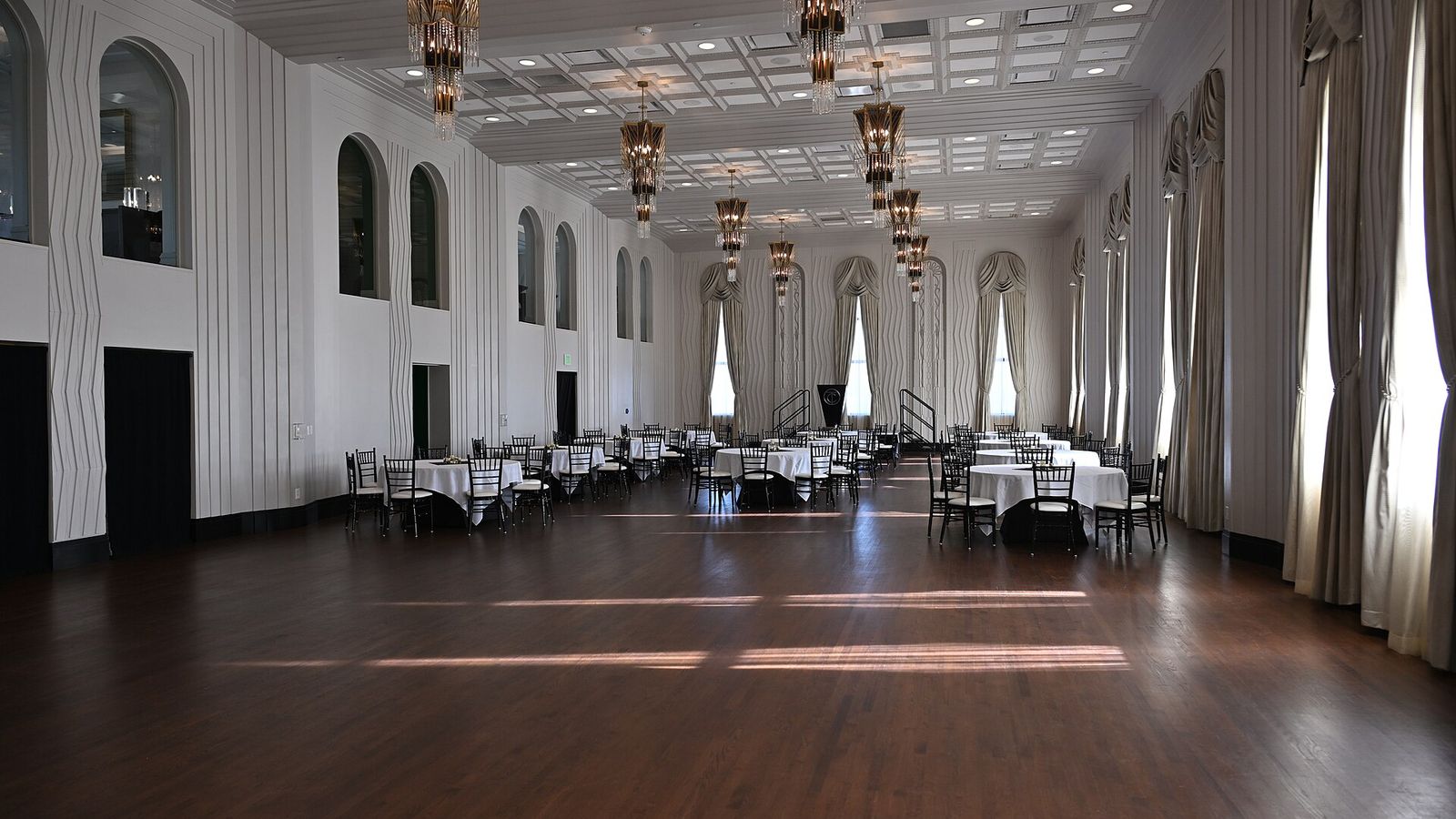
Plan capacity from the space you have. A ballroom or restaurant has a legal occupancy, a comfortable seated number and a standing number, and the three differ. Decide early how many tickets you will sell, how many you will hold for package guests, and when unsold package seats will be released to the public. Two weeks before the event is a sensible checkpoint, but your own booking pace should set the date.
Check the permissions that apply. Extended bar hours, live music, outdoor heaters, a fireworks display or a ticketed event open to the public may each need a permit or a notice in your city or state. The rules vary widely, so ask your local licensing office and your insurer well before you print tickets.
Give the event its own page with Event structured data. Google's Event documentation, last updated in September 2026, requires a name, a start date and a location, asks for one event per page, and says the event has to be open to the general public. It also says not to mark up things that are not events, and it names trip packages, coupons and vouchers among them. So mark up the party page as an event, leave the package page as a normal page, and link the two to each other.
If you sell tickets through a separate ticketing platform, link to it from your own event page rather than sending people from your social posts straight to the third-party page. Your page is the one that also offers the room, and a guest who came for the party is the easiest room booking you will make all month.
Your past guests are the most likely buyers of a holiday package, and email is the least expensive way to reach them. Plan three sends rather than one:
Segment where you can. A guest who stayed for New Year's last year should hear about this year's New Year's offer first, perhaps a few days before everyone else. Families who stayed over Christmas should hear about the family package. Local subscribers should hear about dinner and party tickets, and about the room-for-visiting-family rate if you build one.
Keep each email to one offer with one button that opens the package page. A holiday email that lists every package, every event and the gift card program at once tends to get skimmed and closed.
Follow the federal rules for commercial email. The FTC's CAN-SPAM compliance guide requires accurate header information and subject lines, a clear disclosure that the message is an advertisement, a valid physical postal address and a working way to opt out, with opt-out requests honored within 10 business days. The FTC lists penalties of up to $53,088 for each email in violation, and it holds the business responsible even when a vendor sends the mail on its behalf. Most email platforms handle the mechanics, but the postal address and the accuracy of the subject line are yours to get right.
For more on building the list and writing to it, see our email marketing guide for hotels. A guest database that records stay dates makes that segmenting automatic; the email and guest CRM page describes what one should hold.
Gift cards are a holiday product that does not depend on having rooms free in December. A stay certificate or a dollar-value card for the restaurant or spa sells from Black Friday through Christmas Eve, brings in cash in a slow month, and brings a guest back in the new year, often with a companion. If your website cannot sell gift cards online, set that up before Black Friday on November 27.

Offer two kinds: a dollar amount that can be spent on rooms, dining or anything else, and a named experience, such as a one-night stay with breakfast for two. The named version reads better as a gift, but write its terms carefully: say which room type it covers, whether any dates are excluded, and what happens if the guest wants to upgrade or add a night.
Know the federal rules before you write the terms. The gift card rules in Regulation E, issued in 2010, say covered gift certificates and store gift cards cannot be sold with funds that expire sooner than five years after issue, or five years after the last load for a reloadable card. Dormancy or inactivity fees are allowed only after a year with no activity, no more than once a month, and only when disclosed. Promotional cards, such as a $25 bonus card given with a $200 purchase, are excluded from those limits but must state that they are promotional and show their expiration date. Products issued only on paper fall outside the federal rule, but many states have their own gift certificate laws, some stricter, so check your state's rules or ask your attorney.
A bonus card is a useful holiday offer for exactly that reason. It lets you set a short window for the bonus value, such as January through March, which brings guests in during your slowest weeks, as long as the card is labeled correctly. Record gift card sales as money owed to guests until they are redeemed, and ask your accountant how to book them.
The nights that sell out also carry the highest cost of a late cancellation, because you cannot resell a room at 6 p.m. on December 31. Peak-night packages usually deserve firmer terms than your standard rate, and guests buying them tend to expect that.

Options to consider, set on each rate plan:
Whatever you choose, state it before payment, in plain words, on the package page and at checkout, and repeat it in the confirmation. Holiday plans change for real reasons: a sick child, a winter storm, a family emergency. Decide in advance how you will handle those cases, for example with a credit toward a future stay, and train the front desk to apply it the same way for everyone.
If the package includes event tickets, say whether the ticket can be refunded separately from the room. A guest who cancels the room inside the free window may still want to come to the party, or the other way around, and a clear rule saves an awkward phone call in late December.
Our cancellation policy guide walks through these options in more detail, including the problem of card authorizations that expire before a distant arrival date.
Packages fail on details more often than on price. The guest arrives expecting a 7 p.m. dinner and the restaurant has them down for 9:30, or plans to check out at 1 p.m. on New Year's Day and housekeeping knocks twice before eleven. Most of that comes down to communication, and you can fix it before December. If a package includes a dinner seating, confirm the time with the guest a few days ahead and let them change it while seats remain; a guest who picked the time is far less likely to miss it.
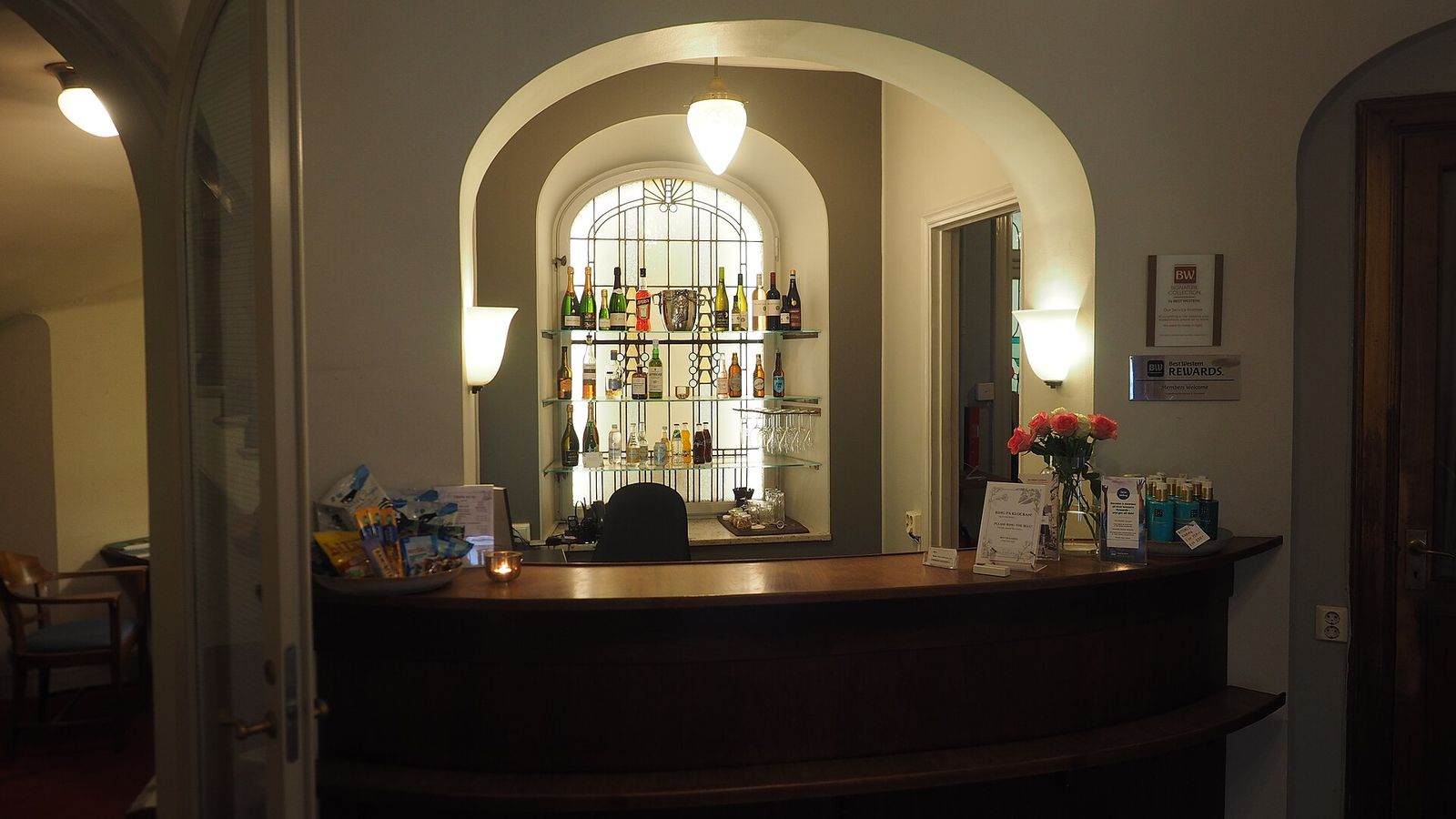
The confirmation email should list every inclusion with its time: dinner seating, party hours, breakfast hours and checkout time. Send a pre-arrival email three to five days before the stay with parking directions, the dinner time, any dress code for the event and the best way to reach you. Put the same information on a printed card in the room.
Brief the staff a week before each holiday. Everyone at the front desk should be able to answer, without looking it up, what each package includes, which guests have it tonight, where the dinner and the party are, when package guests check out, and what to do if something goes wrong. A one-page sheet kept at the desk works better than an email nobody rereads.
Use the package to start a longer relationship. A short note at checkout thanking the guest and asking whether they would like to hear about next year's New Year's Eve gives you the first names on next season's list. Guests who enjoyed the evening are the most likely to book it again, and when they do, they will book it with you.
Give every package its own rate code, and most of the reporting takes care of itself. In the first week of January, pull for each package the room nights sold, revenue, average rate including the package, the cost of the inclusions and the booking channel. Then compare profit per room night with what room-only guests paid on the same nights.
Look at pace as well as totals. When did each package start booking, and when did it fill? If New Year's Eve sold out by December 1, next year's price can probably rise or the minimum stay can lengthen. If a package sold three rooms, work out whether the page, the price or the offer itself was the problem before you drop it.
On the website side, tag every link in your emails and social posts with campaign tags so analytics can show which sends produced bookings, and make sure your booking engine passes completed bookings back to your analytics account. Our website metrics guide covers that setup.
When you compare with last year, compare like with like. The weekday a holiday falls on moves results. CoStar's report on the week of December 29, 2024 to January 4, 2025 credited that week's gains over the year before to the New Year's holiday shift, with average daily rate up 11.7 percent to $168.90 and revenue per available room up 14.9 percent. In 2026 New Year's Eve moves from a Wednesday to a Thursday, so line up your comparison by holiday rather than by calendar date, and note the shift in your report.
Write down what you learned while it is fresh: what sold, what guests asked about, what went wrong at the desk and what went right. That single page of notes is the starting point for next year's packages.
The first weeks of January are slow for many leisure hotels once the holiday guests go home, which makes them the next place a package earns its keep. The page template, rate plan setup and email list you built for December can carry two or three winter offers with little extra work.
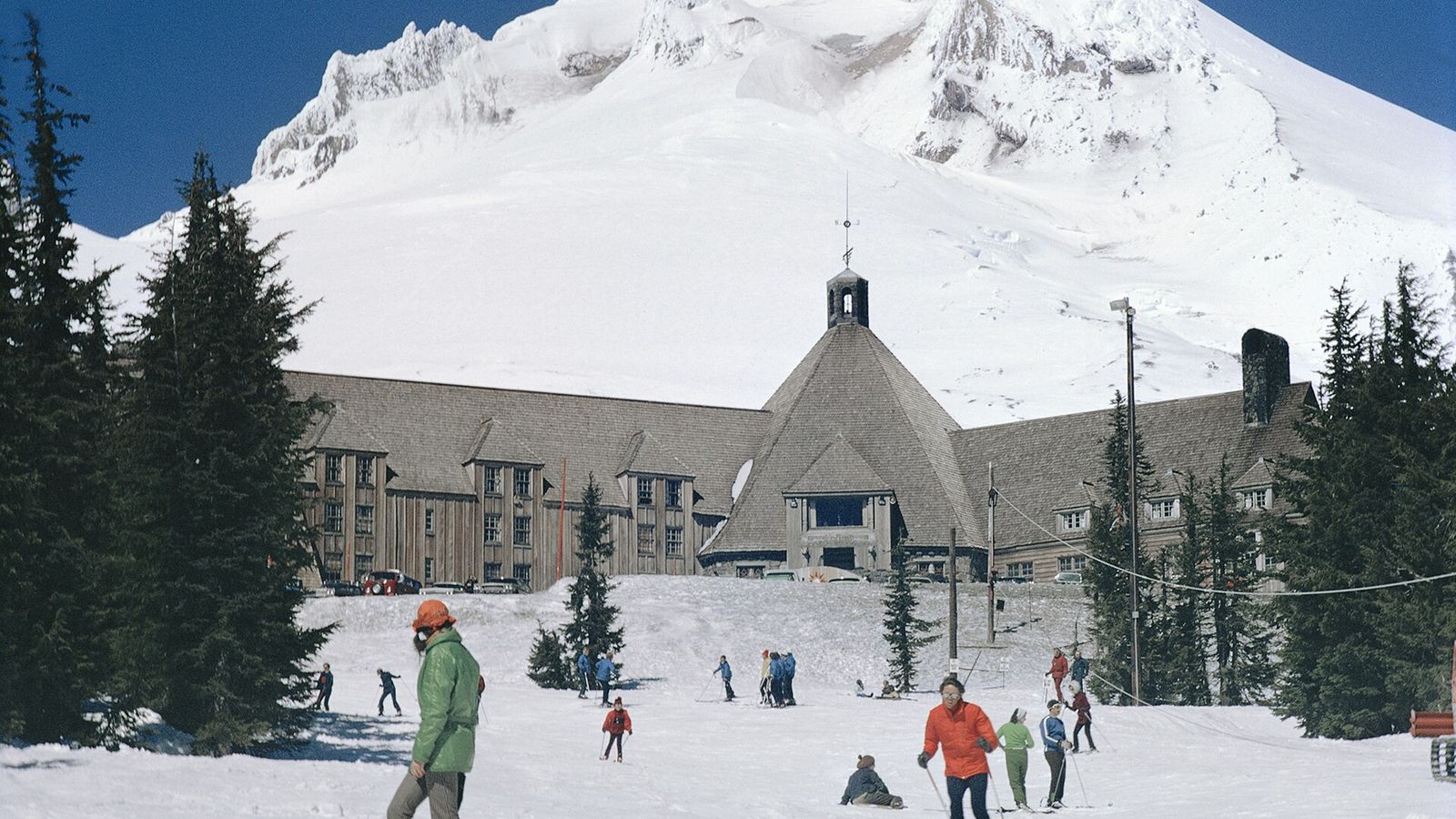
Ideas that fit the 2027 calendar:
Do not delete the holiday package pages when the season ends. A deleted page returns an error, and you lose the links and search history it earned. Change the page to say the 2026 packages have ended, describe the evening with photos from the night where guests and staff have agreed to appear, and invite readers to join the list for next year's announcement. Then update the same page in the fall.
January is also the right moment to set next year's holiday rates and restrictions while this year's pickup is still fresh in the data. Our guide to revenue management basics covers the weekly routine that keeps those decisions grounded in your own numbers rather than in guesses.
As of October 29, 2026, there are about four weeks left before Black Friday and nine before New Year's Eve. That is enough time if you start this week.
If that list looks like more than your current website and booking engine can handle in the time left, start with the New Year's Eve package alone and do it well. One page, one rate plan, one email and a staff briefing will capture most of the value.
The hotels that do best in December tend to be the ones that decided in October what they were selling. Every step above can be done by a small team with the tools most independents already have. When you want help building the pages and the booking setup for next season, tell us about your hotel.
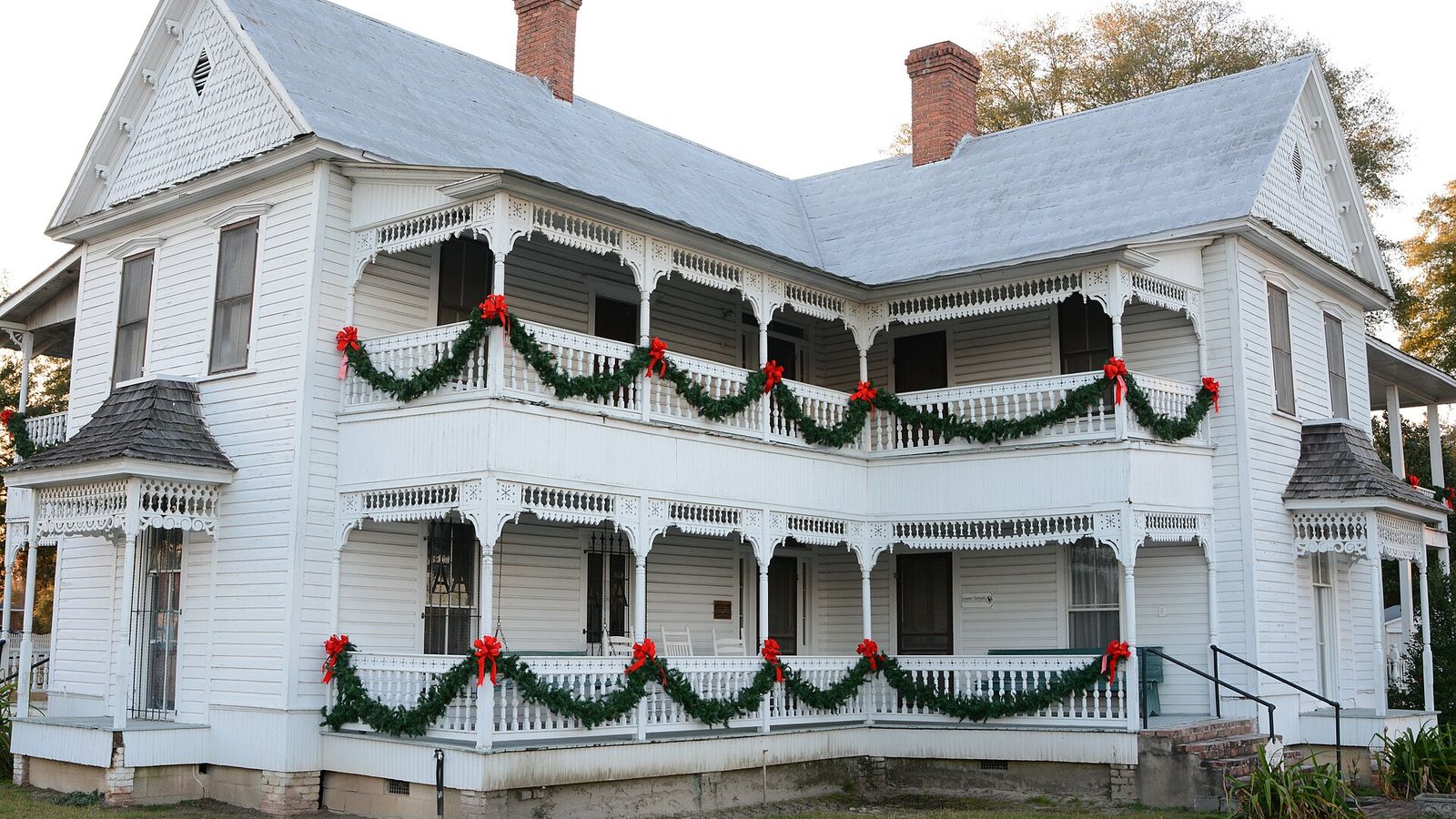
Cover photo: Alexander Hotel, Reidsville, GA, US (03) by Jud McCranie, CC BY-SA 3.0, via Wikimedia Commons. Every photo on this page is credited in its caption.
Publish them by mid-November. Past guests start planning December trips around Thanksgiving, gift card buyers shop from Black Friday on, and New Year's Eve rooms near a celebration can fill weeks ahead. In 2026 Black Friday is November 27, so a hotel with its pages, rate plans and first email ready by November 20 reaches buyers before the busiest shopping week of the year.
Include what guests need for the evening: a dinner reservation or event ticket, a late checkout on January 1, and breakfast or brunch the next morning. If the hotel is within walking distance of a countdown or fireworks, say so and give the walking time. Parking and a bottle of sparkling wine at turndown are simple extras that are easy to cost and deliver.
Add the room rate you expect for that night to the real cost of each inclusion; that is your floor. Then add up what a guest would pay for each piece separately at retail. Price the package between the two, so the guest sees clear value and you earn more per room night than selling the room alone. Avoid discounting the room on nights that sell out anyway.
Under the FTC Rule on Unfair or Deceptive Fees, in effect since May 12, 2025, mandatory fees such as resort fees must be included in the total price a hotel advertises. Government taxes and optional add-ons the guest chooses can be shown separately, as long as they are disclosed before payment. Have your attorney review your pages if you charge any mandatory fee.
Many independent hotels keep their best holiday packages on their own website, because the package is the reason to book direct and the busiest nights rarely need extra reach. A package meant to fill quiet nights may benefit from wider distribution. Read your rate parity terms first and keep the room-only rate consistent across every channel.
Not as offers. Google's help pages say hotels can publish posts with timely information but cannot create offer posts or posts that mention or link to deals, promotions, special offers or discounts. Post the New Year's Eve dinner or party as news about the event, and keep package prices on your website and in your rate feed.
Under the federal gift card rules in Regulation E, covered gift certificates and store gift cards cannot carry funds that expire sooner than five years after they are issued or last loaded. Promotional bonus cards are treated differently but must say they are promotional and show an expiration date. Paper-only certificates fall outside the federal rule, and state laws vary, so check yours.
Keep them. Update each page to say the season's packages have ended, invite readers to join the list for next year, and refresh the same address in the fall with new dates and prices. Deleting a page throws away the links and search history it earned, and an address without a year lets that history build season after season.
A pre-launch checklist for a hotel website: booking flow, mobile, speed, SEO redirects, analytics, accessibility, legal, and security before you go live.
A practical hotel website security guide: HTTPS and SSL, PCI through your booking engine, guest-data privacy, and the basics that prevent trouble.
The hotel website and marketing metrics that connect to revenue, the vanity numbers to ignore, and how to measure them honestly with GA4.
See what direct bookings could be worth for your hotel.
Get a Free Proposal